

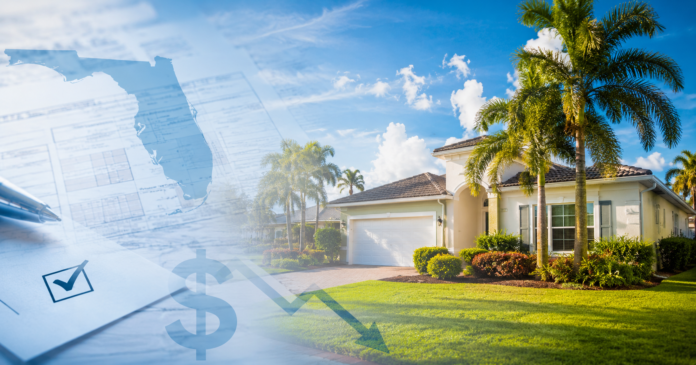
When Florida voters open their ballots on November 3, they will face one of the most consequential constitutional questions in a generation: whether to dramatically cut homestead property taxes across the state. To find out where people stand, The Space Coast Rocket put the exact ballot language in front of its audience and asked a single question. How would you vote today?

The answer was decisive. Out of 2,348 votes, 67 percent said yes, cut my property taxes. 33 percent said no, keep the current system. That is a better than 2 to 1 margin in favor.
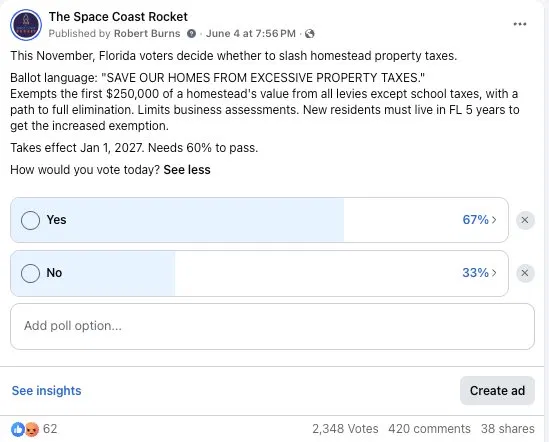
The poll is not a scientific survey, and we will say that plainly. It was an opt-in reader poll, not a random sample of the statewide electorate, and the people who vote in these polls tend to be the ones who already follow our coverage and feel strongly about the issue. No reader poll predicts an election.
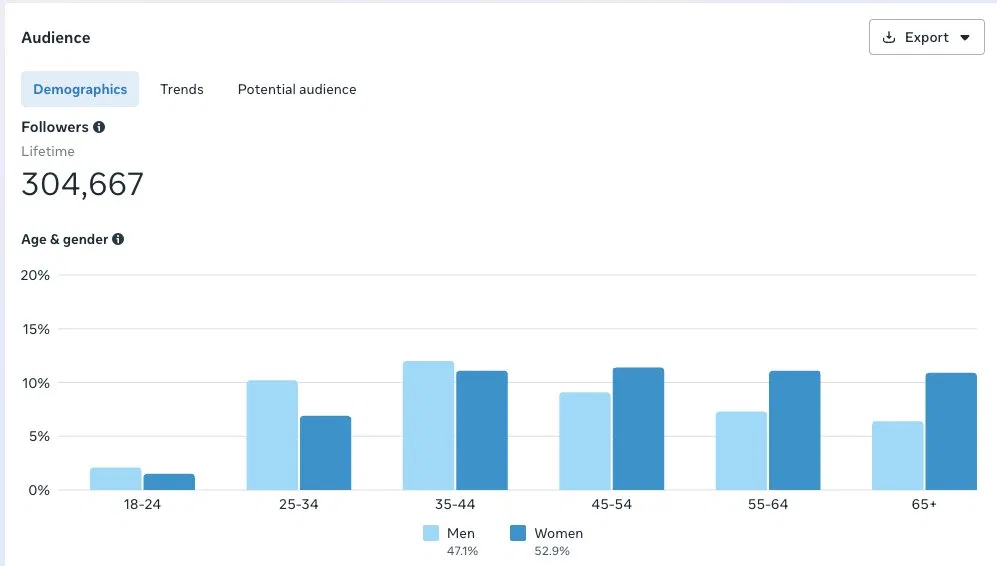
What it does carry is reach. The Space Coast Rocket has more than 304,000 Facebook followers across Florida, with an audience concentrated on the Space Coast but extending well beyond it. That audience of 304,667 followers skews slightly female at 52.9 percent and spreads broadly across age groups, with the heaviest concentration among Floridians 35 and older, the exact homeowners and longtime residents most directly affected by a change to the homestead exemption. In other words, the people answering this poll are disproportionately the ones who would actually feel its consequences.The poll post alone drew 40,288 views from 20,391 unique viewers and generated 6,761 total engagements, including 420 comments and 38 shares. Roughly 18 percent of the people who saw it were not even followers of the page, meaning the question traveled past our core audience and into the broader feed. For a single local-news poll, that is a substantial slice of real Floridians weighing in on a real question they will answer at the ballot box in five months.
What People Voted On
The question used the official ballot summary that voters will see in November. The amendment, placed on the ballot by the Legislature as HJR 1F, carries the title “Save Our Homes From Excessive Property Taxes.” It would exempt the first $250,000 of a homestead’s value from taxation for all levies other than school district taxes, require a future schedule for full elimination of those taxes, limit property tax assessment increases on businesses, and require anyone who establishes Florida residency after January 1, 2027, to live in the state five years before claiming the larger exemption.

The mechanics phase in over time. The homestead exemption climbs from the current $50,000 to $150,000 in 2027, then to $250,000 in 2028, with inflation adjustments after that. None of it touches school taxes. For non-homestead property, including vacation homes, rentals, and commercial buildings, the cap on annual assessment increases drops from 10 percent to 5 percent. The Legislature passed the measure on June 2, with the House approving it 75 to 26 and the Senate 30 to 9. Because it amends the Florida Constitution, it needs 60 percent voter approval to take effect.
The Number That Actually Matters
That 60 percent threshold is the figure to keep in mind. Our readers cleared it comfortably at 67 percent. Whether Florida as a whole does the same is a much harder question. Constitutional amendments frequently poll well in the early going, when the pitch is tax relief and few voters have weighed the tradeoffs. Support tends to tighten as the campaign progresses and the other side of the ledger comes into focus.
The comments on our poll captured that tension. Many readers were enthusiastic about keeping more of their own money. Others were more cautious. One reader wrote that he could not vote on it until he was better educated on the subject, and called for town halls with local legislators, county commissioners, and city council members to explain how the exemption would actually work and what it would do to local services. That instinct, to slow down and ask what gets cut, is exactly the conversation the next five months will force.
If It Passes, What Happens Next
For long-term Florida homeowners, the savings are real and immediate. A larger homestead exemption shields far more of a home’s value from every property tax except school taxes, and for many families that means a noticeably smaller bill starting in 2027.
For city and county governments, the same change arrives as a budget shock. Property taxes are the single largest source of local revenue in most Florida communities, and they pay for the services residents notice first when they disappear: law enforcement, fire and emergency medical response, road maintenance, parks, libraries, and the daily operation of county and constitutional offices. Local governments cannot run deficits the way the federal government can. When revenue falls, they have three real choices. Cut services, raise the millage rate on whatever property is still taxable, or some combination of both.
The communities hit hardest would be those with the highest share of owner-occupied homes, because that is precisely the property the expanded exemption pulls off the tax rolls. Small cities and independent fire and special taxing districts, which have little commercial base to fall back on, face the steepest exposure. In some Panhandle communities, local officials have warned that the lost revenue could erase a majority of a district’s property tax base, forcing rate increases just to maintain minimum staffing for jails, 911 systems, EMS, and sheriff’s patrols.
The Catch for Newcomers and Military Families
There is one provision that lands hard on the people Florida works hardest to attract. Anyone who becomes a Florida resident after January 1, 2027, must live in the state for five years before they can claim the increased exemption. They keep the existing $50,000 exemption in the meantime, but they wait years for the larger break.
That gap falls heavily on active-duty military families, who relocate on orders and rarely stay in one place for five years, and on the steady stream of new residents Florida adds every year. In practice, a young service member or a family that just bought a home could face higher tax rates, partly to make up for the revenue local governments lose on their longer-tenured neighbors, while waiting out the clock on their own relief. Some lawmakers who voted against placing the measure on the ballot raised exactly this objection, arguing it shifts the cost of public services onto the newest and often youngest taxpayers.
What We Are Watching
The Space Coast Rocket will follow this amendment all the way to November. Our reader poll is one early, unscientific snapshot, but it is a meaningful one: tens of thousands of Floridians engaged with the question, and they broke heavily in favor. The harder work now is the part our readers asked for, digging into what passage would actually mean for specific counties, cities, and districts, and holding both supporters and opponents to honest numbers.
We want to hear from you. If this amendment passes, what services in your community can you not afford to lose, and what is your property tax bill worth to you? Tell us in the comments.
Criminal Defense
Bankruptcy · Evictions
WICKS LAW P.A.
Call or text for
free consult
321-733-2700
Eric Wicks, Esq.
1250 West Eau Gallie Blvd. G
Melbourne, FL 32935
Abogado Wicks habla español