

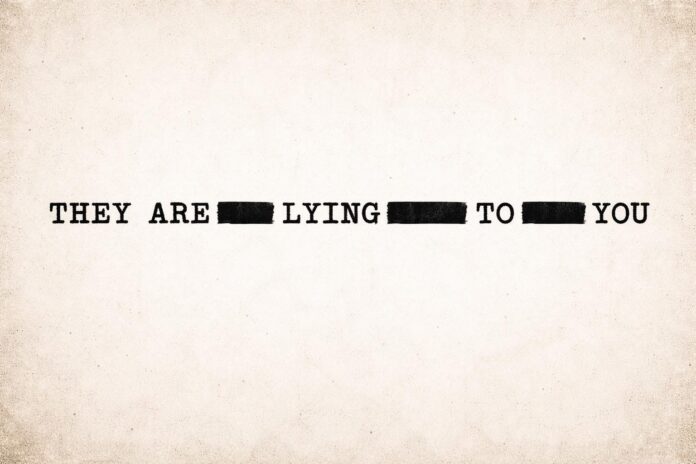
A federal judge ordered the release of grand jury materials in the Epstein case. In response, the Department of Justice produced a 119-page filing that was entirely redacted. Every page was blacked out. No facts. No names. No substance.

Redactions were permitted solely to protect the identities of victims and minors. What was released went far beyond that limitation. The result was not compliance in any meaningful sense. It was defiance dressed up as obedience.
This is why I believe the country is facing a constitutional crisis.
Under ordinary circumstances, the rule of law provides remedies when the executive branch violates statutes or ignores court orders. Officials can be held in contempt. They can be investigated. They can be prosecuted. Those mechanisms are supposed to serve as guardrails against abuse of power.
But those guardrails collapse when the same executive who oversees the Department of Justice also possesses the unilateral power to pardon anyone who acts on his behalf. Even if prosecutors were to bring charges against officials who willfully violated a court order, the President could erase those consequences instantly. Accountability becomes theoretical rather than real.

That creates a structural problem the Constitution does not adequately resolve. While in power, an administration that is willing to disregard the law can effectively place itself beyond the reach of enforcement. The courts can order. Congress can object. The public can protest. Yet none of those actions carry teeth if the ultimate enforcement mechanism can be nullified by a single signature, auto-pen or not.
The framers designed a system based on norms, good faith, and the assumption that no branch would openly test the limits of its authority to this degree. They anticipated ambition counteracting ambition, not loyalty overriding law. They did not foresee a scenario where executive power could be used to shield deliberate noncompliance with the judiciary itself.
When court orders can be ignored without consequence, transparency becomes optional and justice becomes selective. At that point, the issue is no longer about a single case or a single set of documents. It is about whether the constitutional system can function when one branch decides the rules no longer apply to it.
That is the danger this moment exposes. That’s the reality we are witnessing.
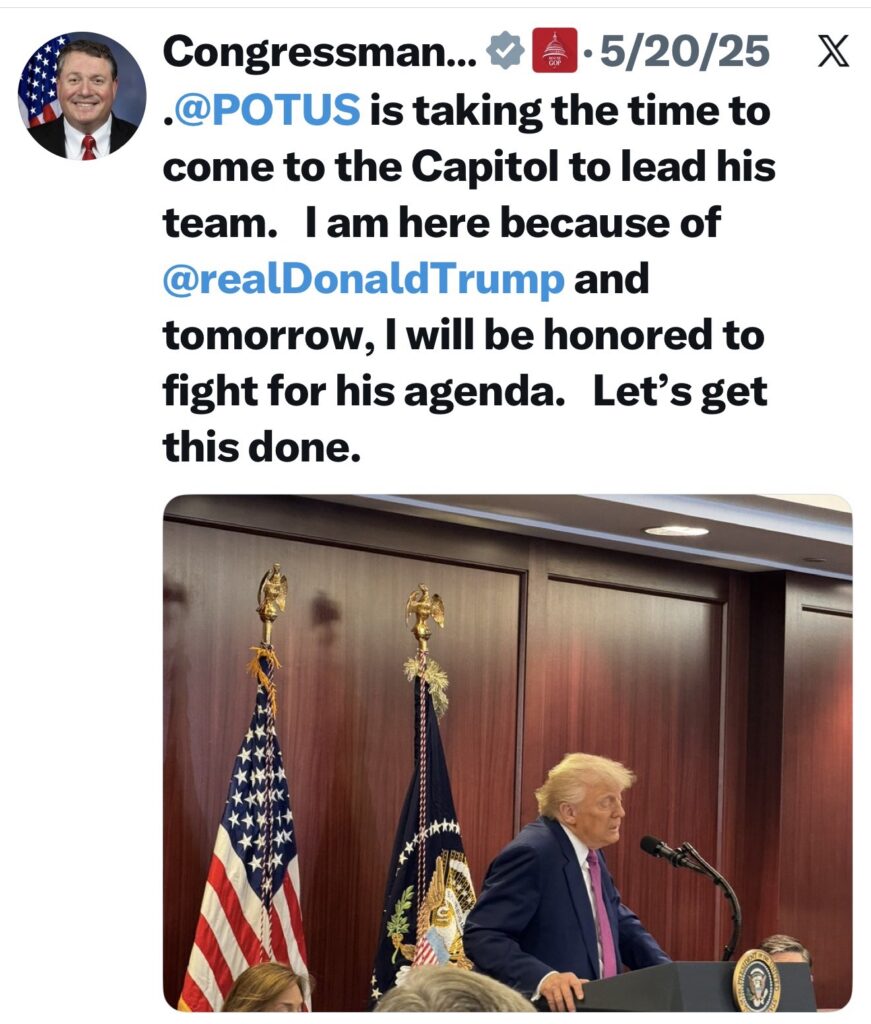
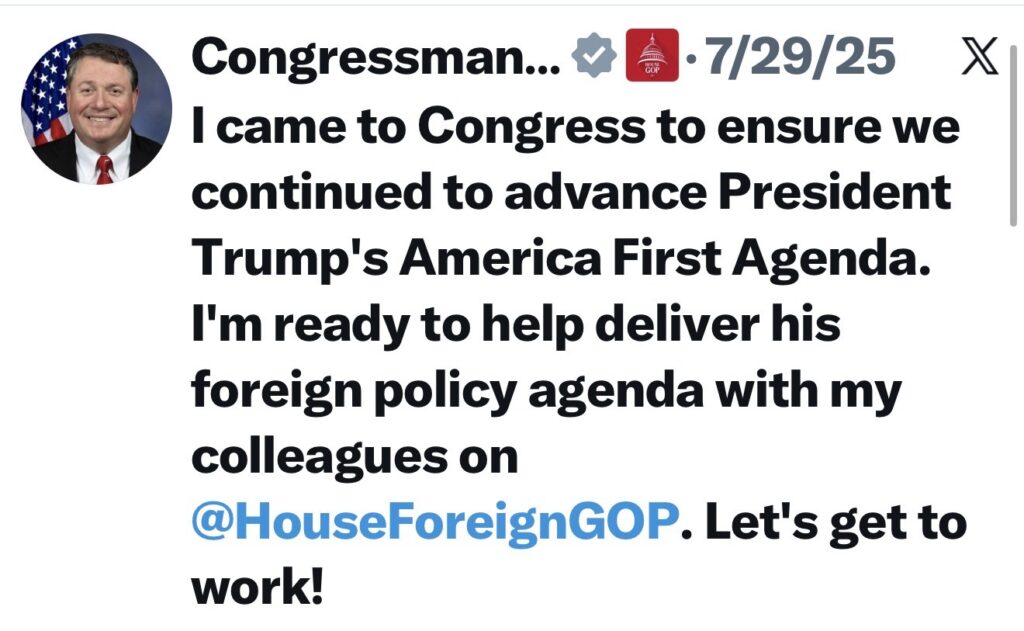
There are no checks, no balances, and no separation of powers left when the law applies only until the executive decides it does not. Especially when members of another branch of government say they are only there because of the President and are there to advance HIS agenda.
Criminal Defense
Bankruptcy · Evictions
WICKS LAW P.A.
Call or text for
free consult
321-733-2700
Eric Wicks, Esq.
1250 West Eau Gallie Blvd. G
Melbourne, FL 32935
Abogado Wicks habla español