WASHINGTON, D.C. — NASA has announced a sweeping set of initiatives aimed at achieving America’s National Space Policy, outlining an aggressive roadmap that includes building a permanent lunar base, maintaining a continuous presence in low Earth orbit, and launching the first nuclear-powered spacecraft to Mars.
- Advertisement -
The announcement came during the agency’s “Ignition” event on March 24, aligning NASA’s long-term strategy with priorities set under President Donald Trump.
NASA Administrator Jared Isaacman described the plan as a race against time in an increasingly competitive global space environment.
- Advertisement -
“The clock is running,” Isaacman said. “Success or failure will be measured in months, not years.”
A Permanent Human Presence on the Moon
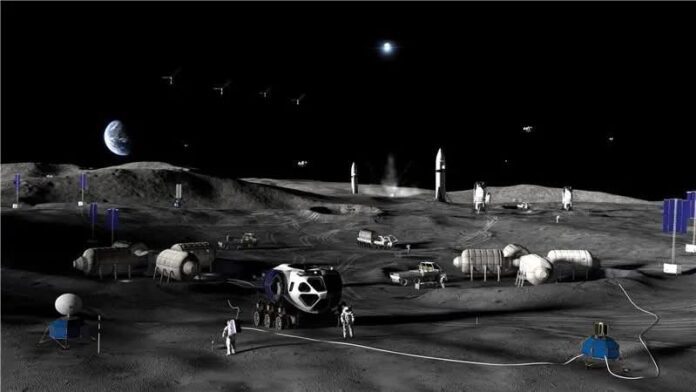
Central to NASA’s strategy is an ambitious plan to establish a sustained human presence on the Moon through a three-phase approach tied to the Artemis Program.
- Advertisement -
Phase One: Build, Test, Learn
NASA will increase the frequency of missions using modular systems and commercial partnerships. Robotic deliveries, rovers, and scientific instruments will test technologies for mobility, power, and communications.
Phase Two: Establish Infrastructure
The agency will introduce semi-habitable systems and regular astronaut operations, supported by international partners such as Japan Aerospace Exploration Agency and the Canadian Space Agency.
Phase Three: Long-Term Lunar Base
NASA plans to transition from short missions to a continuous human presence, delivering large-scale habitats and infrastructure that effectively establish a permanent Moon base.
To support this shift, NASA will move away from the current Lunar Gateway model and instead prioritize surface-based operations.
Faster, More Frequent Moon Missions
NASA confirmed it will standardize its Space Launch System configuration and increase mission cadence.
Artemis III is scheduled for 2027
Annual lunar landings are planned after that
Long-term goal is landings every six months using reusable commercial systems
This shift reflects a move toward affordability and scalability, with increased reliance on private industry.
Securing America’s Presence in Low Earth Orbit
4
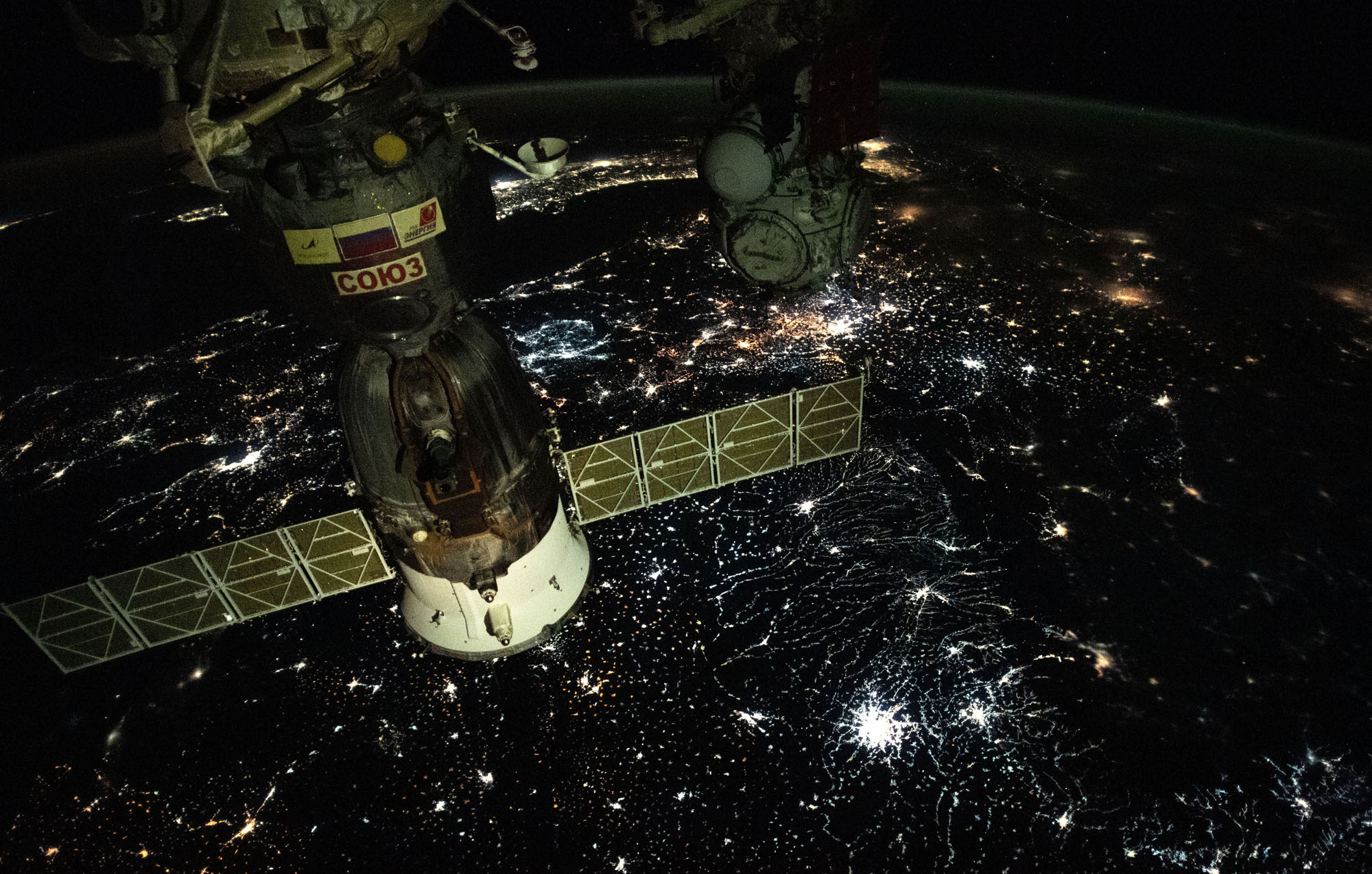
While expanding lunar ambitions, NASA emphasized the importance of maintaining a continuous presence in low Earth orbit.
The International Space Station has supported over 4,000 experiments and 5,000 researchers from 26 countries, but NASA acknowledged it cannot operate indefinitely.
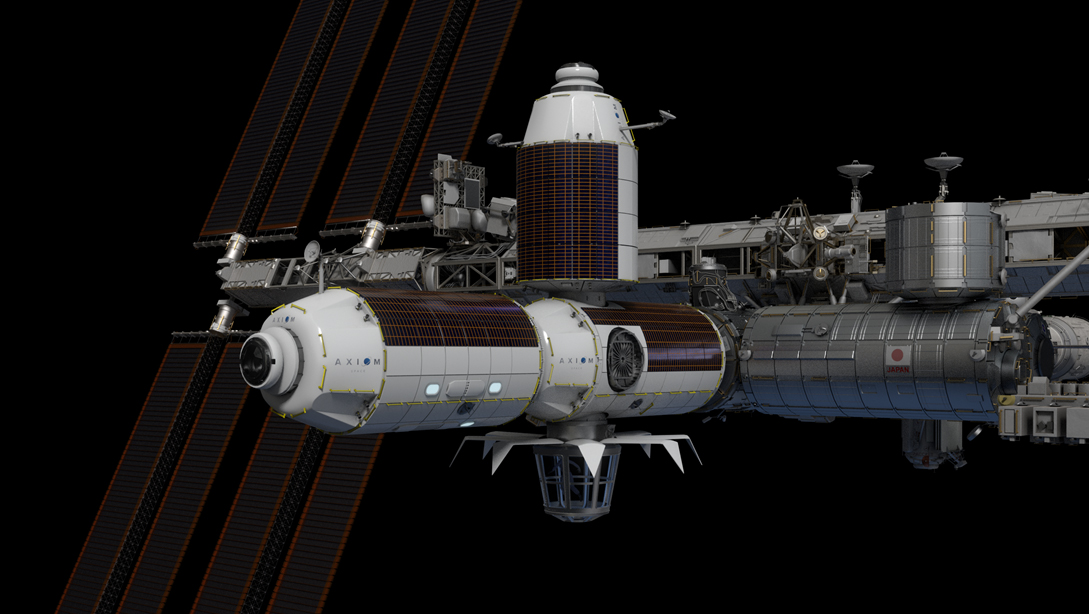
To prevent a gap in U.S. orbital presence, the agency is proposing a hybrid transition model:
A government-owned core module attached to the ISS
Commercial modules added and tested in orbit
Eventual separation into independent commercial stations
NASA plans to become one of many customers in a competitive commercial space economy, expanding opportunities like private astronaut missions and commercial research.
Nuclear-Powered Spaceflight to Mars
4
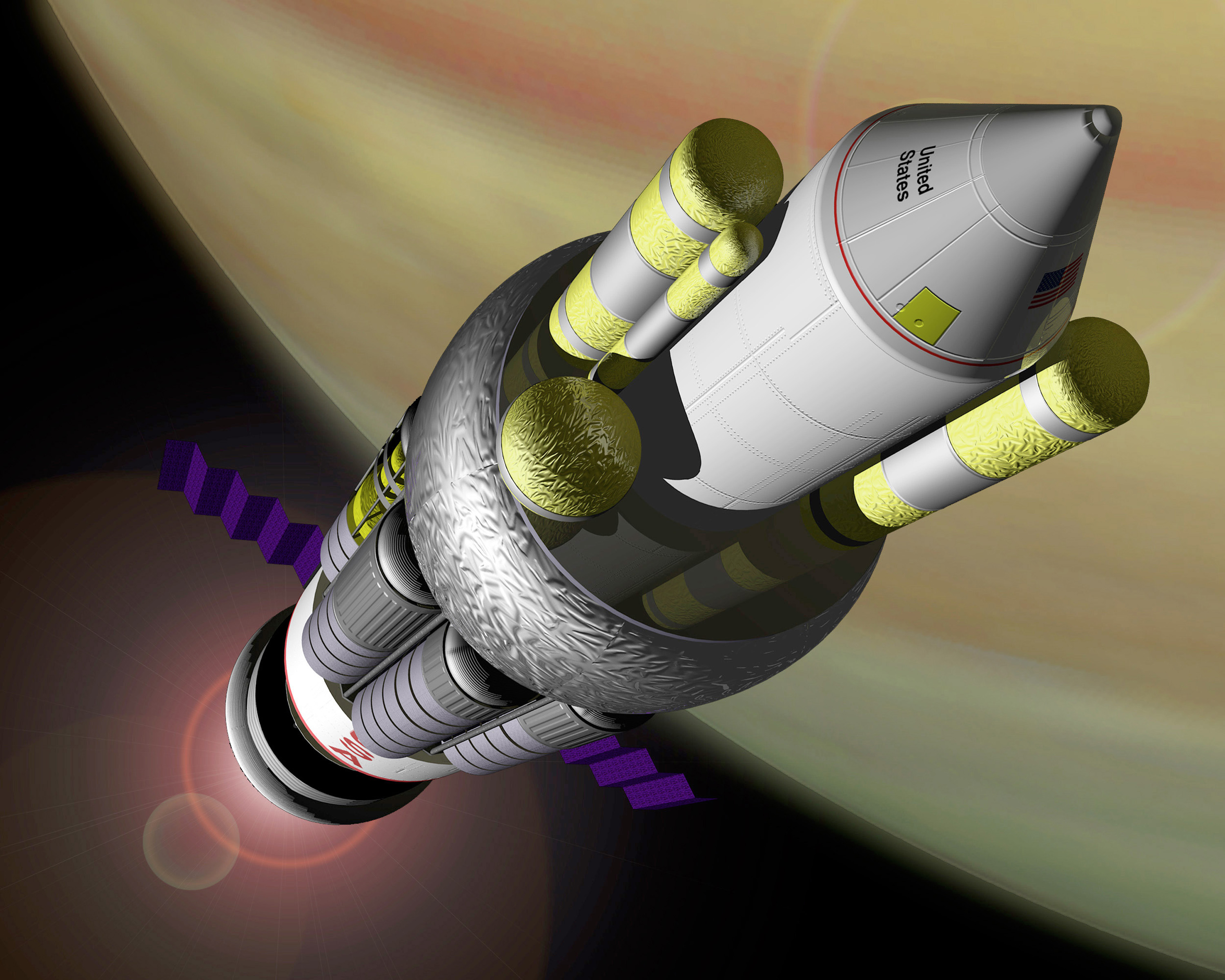
In one of the most significant announcements, NASA revealed plans to launch Space Reactor-1 Freedom, the first nuclear-powered interplanetary spacecraft, by 2028.
The mission will demonstrate nuclear electric propulsion, a technology capable of:
Transporting larger payloads more efficiently
Enabling deep space missions beyond Jupiter
Supporting sustained exploration of Mars and beyond
Upon arrival at Mars, the spacecraft will deploy a payload of helicopter drones to explore the planet’s surface, building on the success of Ingenuity.
Expanding Scientific Discovery
NASA also highlighted ongoing and future science missions, including:
The James Webb Space Telescope continuing to study the early universe
The upcoming Nancy Grace Roman Space Telescope targeting dark energy research
The Dragonfly Mission to Saturn’s moon Titan
Expanded lunar science through increased robotic landings
The agency plans up to 30 robotic Moon missions beginning in 2027, opening opportunities for universities, private companies, and international collaborators.
Workforce and Industry Overhaul
NASA is also restructuring internally to support these goals:
Converting thousands of contractor roles into civil service positions
Embedding experts across supply chains
Expanding internships and early-career opportunities
Creating pathways for private-sector talent to join NASA
Officials emphasized that workforce investment is critical to achieving the agency’s ambitious timeline.
A New Era of Space Competition
NASA leaders framed the initiative as part of a broader global competition in space, emphasizing urgency and national interest.
“This is about alignment, speed, and execution,” said Associate Administrator Amit Kshatriya. “We are building capability step by step, mission by mission.”
With lunar infrastructure, commercial orbital expansion, and nuclear propulsion all moving forward simultaneously, NASA’s latest strategy signals one of the most aggressive space agendas in decades.
For readers on the Space Coast and beyond, the plan represents not just exploration, but a fundamental shift in how the United States approaches space, blending government leadership, private industry, and international partnerships to push deeper into the final frontier.
Florida’s DEP has issued a draft permit allowing Blue Origin to discharge nearly 500,000 gallons of industrial wastewater daily into a system draining to the Indian River Lagoon. Brevard County officials and residents are demanding a public hearing and independent monitoring.